Living & Dining
Large formats in polished, matt or satin finishes. Fewer joints, calmer floors, and a surface that carries furniture and foot traffic without showing wear at the edges.
Large-format porcelain slabs, vitrified surfaces, wood and stone finishes, outdoor and parking solutions — curated at our studio in Sector 82, Mohali, for projects across Chandigarh, Panchkula, Zirakpur and Punjab.
A tile is not a decision you revisit. It is laid once, lived on daily, and judged for the next twenty years — under changing light, against furniture that has not been bought yet, in a room whose use may shift entirely. The tile collection at Imperial Design Concepts is built around that reality rather than around a catalogue.
We hold tiles across every practical format and finish an Indian residential or commercial project is likely to need, and we display them the way they will actually be used: at full scale, upright or underfoot, under studio light that behaves like daylight rather than showroom halogen. What we do not do is put four thousand options in front of a client and call it choice. The selection is edited before you see it, against your project's rooms, light, traffic and design intent.
Slabs in 1200x2400 mm, 1600x3200 mm and comparable formats, in marble-look, stone-look, concrete, terrazzo and solid-tone surfaces. Book-matched and vein-matched pairs are available in selected ranges, which allows a continuous veined pattern to run across a feature wall, a kitchen island face or a bath vanity without a visible break. These are the surfaces specified when the material itself is intended to be the architecture.
Glazed vitrified, double-charged and full-body vitrified tiles in 600x600, 800x800, 600x1200 and 800x1600 mm. Double-charged and full-body bodies carry their colour through the thickness of the tile rather than only in a surface glaze, so edge chips and long-term abrasion stay far less visible — a meaningful difference in high-traffic corridors, staircases, showrooms and commercial floors.
Porcelain planks that read as oak, walnut, teak or weathered timber, and surfaces that read as travertine, limestone or Indian stone, with the water resistance and dimensional stability of porcelain. These are frequently specified for bedrooms, wet-adjacent areas and balconies where real timber would not survive the monsoon or the temperature swing between a Punjab summer and winter.
Structured, anti-skid and 20 mm thick outdoor porcelain for terraces, driveways, ramps, pool surrounds and open parking. Heavier body thicknesses allow dry-laid and pedestal installation on terraces, which keeps the waterproofing membrane accessible for future service instead of buried under a permanent screed.
Highlight tiles, textured and three-dimensional wall surfaces, mosaics, subway formats and picture ranges for bathrooms, kitchen backsplashes, feature walls and reception areas.
Most tile regret traces back to four or five decisions that are easy to get right if they are made deliberately.
Large formats in polished, matt or satin finishes. Fewer joints, calmer floors, and a surface that carries furniture and foot traffic without showing wear at the edges.
Anti-skid floors paired with large-format or slab walls. Full-height wall surfaces reduce joints in the wettest part of the house and make cleaning considerably easier.
Hard-wearing, stain-resistant floors and a backsplash that survives heat, oil and daily cleaning. Slab backsplashes remove grout lines from the surface directly behind the hob.
Wood-finish planks and softer stone tones. Warmer underfoot in appearance, and dimensionally stable through the Punjab temperature swing in a way that engineered timber is not.
Structured 20 mm porcelain, laid conventionally or on pedestals. Pedestal systems keep the waterproofing layer serviceable and let rainwater drain freely beneath the surface.
Heavy-duty, high slip-resistance surfaces engineered for vehicle loads, standing water and the abrasion that comes with an open, dust-laden approach.
Velora Select is where practical residential work sits — builder floors, rental units, smart residential developments. Here the priorities are consistent availability across many units, dependable performance, and formats a standard site team can lay well. Velora Elite covers premium residences: larger formats, more refined finishes, and brand selections chosen to hold their character for decades rather than for a season. Velora Forte is reserved for luxury and bespoke architectural work — imported collections, book-matched slabs, and statement surfaces specified by private appointment.
The same structured selection process runs across all three tiers. What changes is the shortlist put in front of you, not the seriousness with which it is prepared.
We work regularly with architects and interior designers on material palettes and mood boards aligned to a stated design intent, and with builders and developers on multi-unit residential projects where the same specification has to hold across dozens or hundreds of units. That work involves batch planning, phased delivery aligned to the site programme, area statements checked against actual drawings, and honest guidance on which ranges will still be available when phase three starts — a question that matters far more than it is usually asked.
Over the last decade we have supported more than 3,541 clients across 6 states and 2 countries, on projects ranging from practical residential developments to premium architectural work.
A cross-section of what is physically on display in Sector 82, Mohali — matt and textured faces, wood and stone looks, patterned formats and relief panels used as accent surfaces.











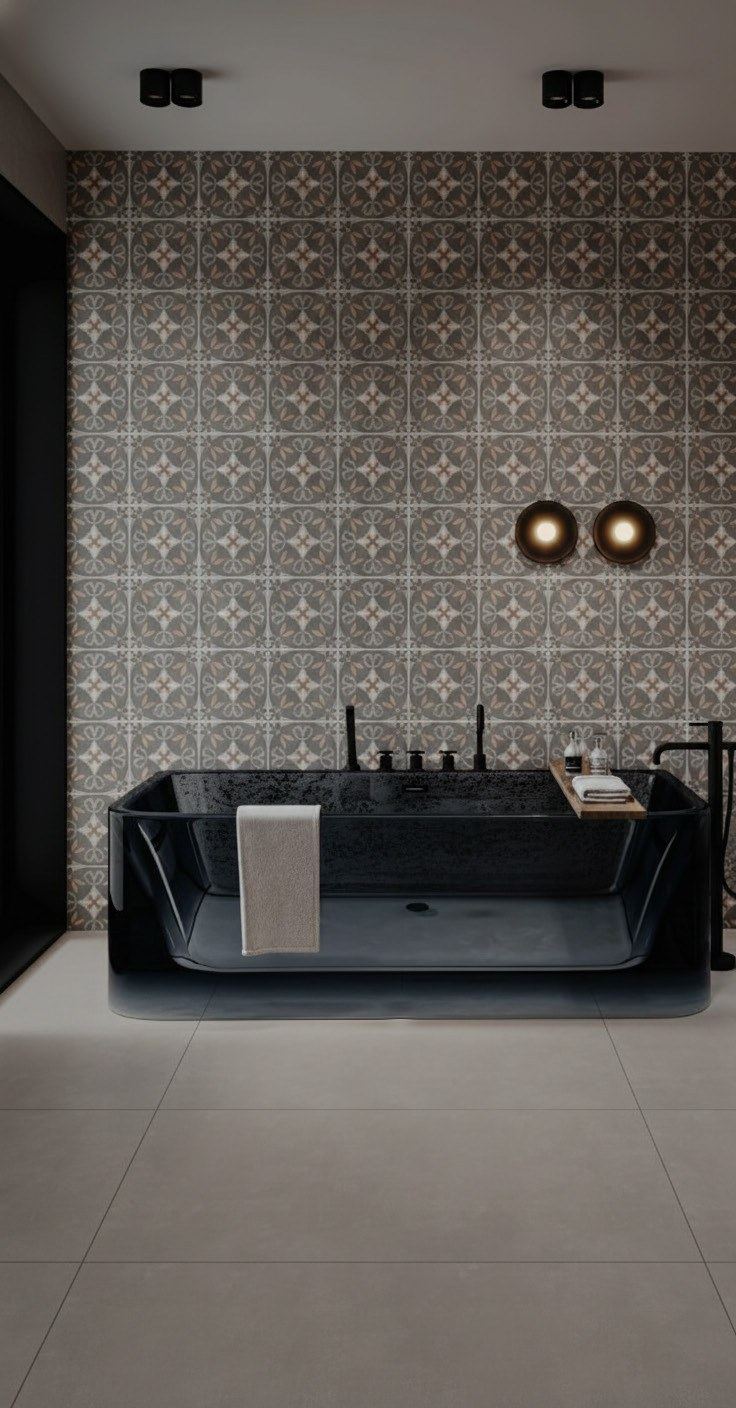
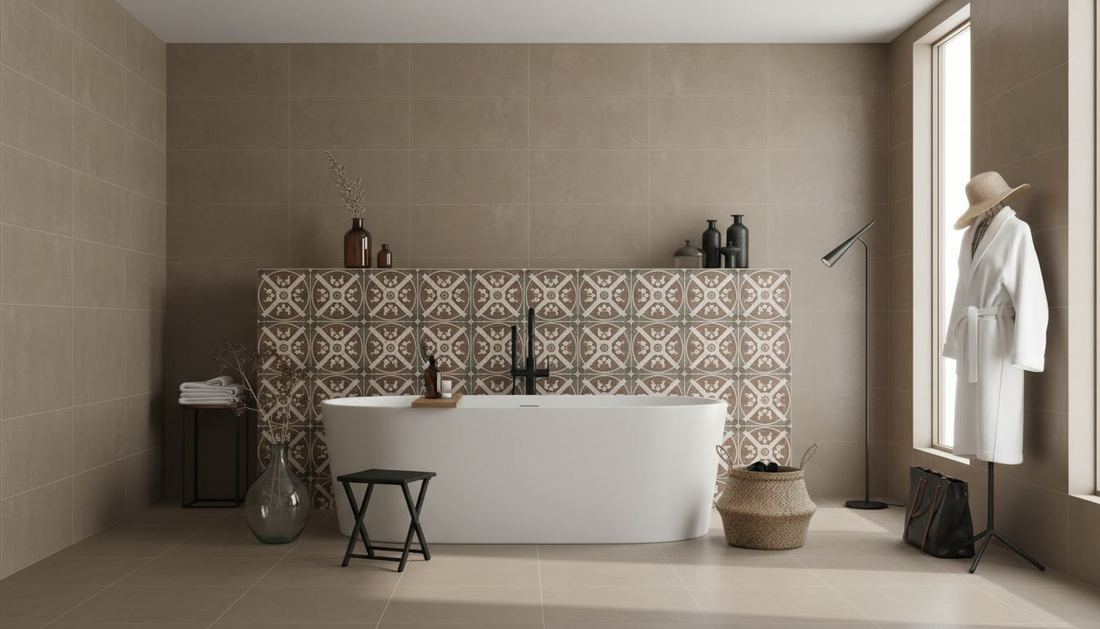
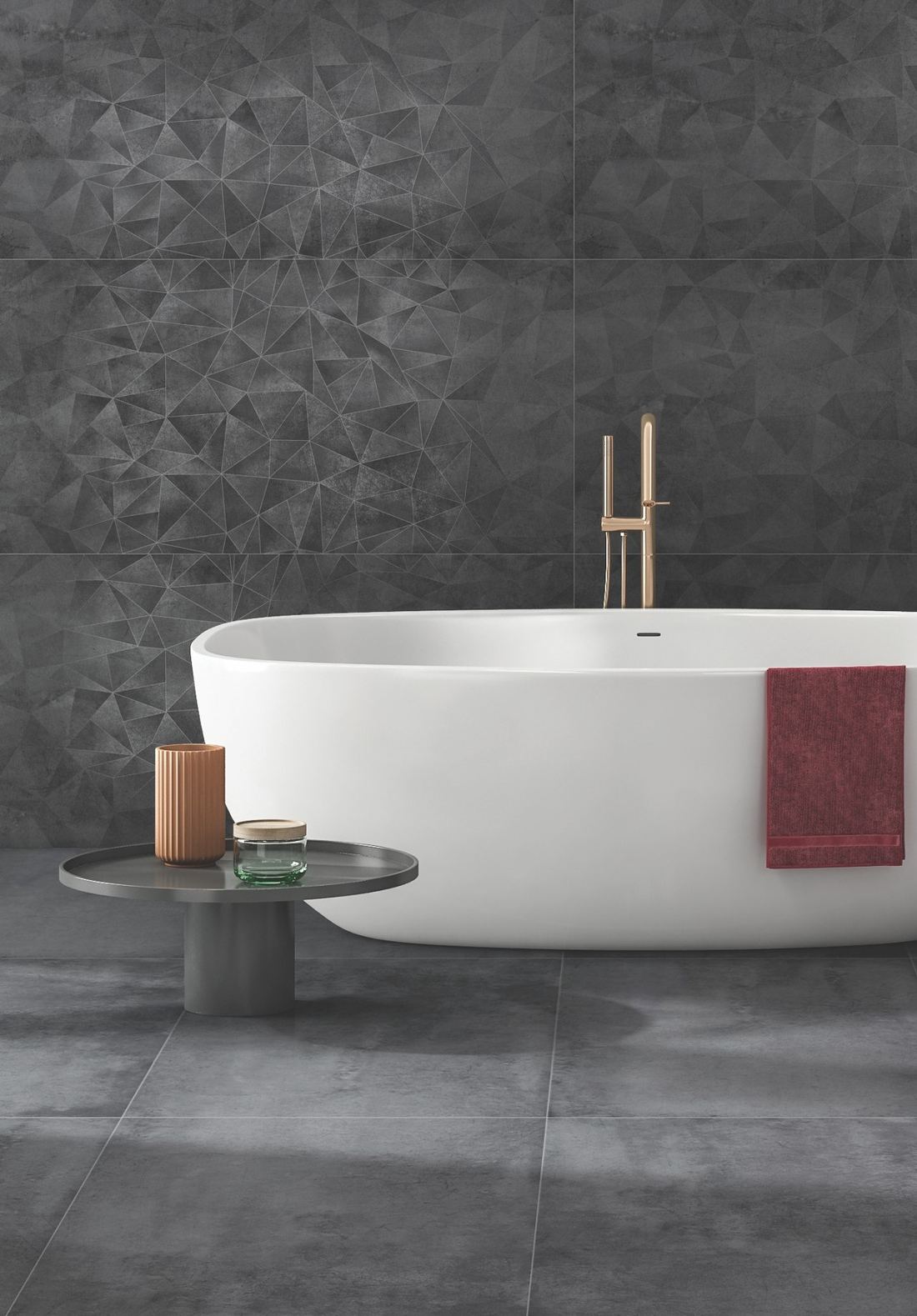
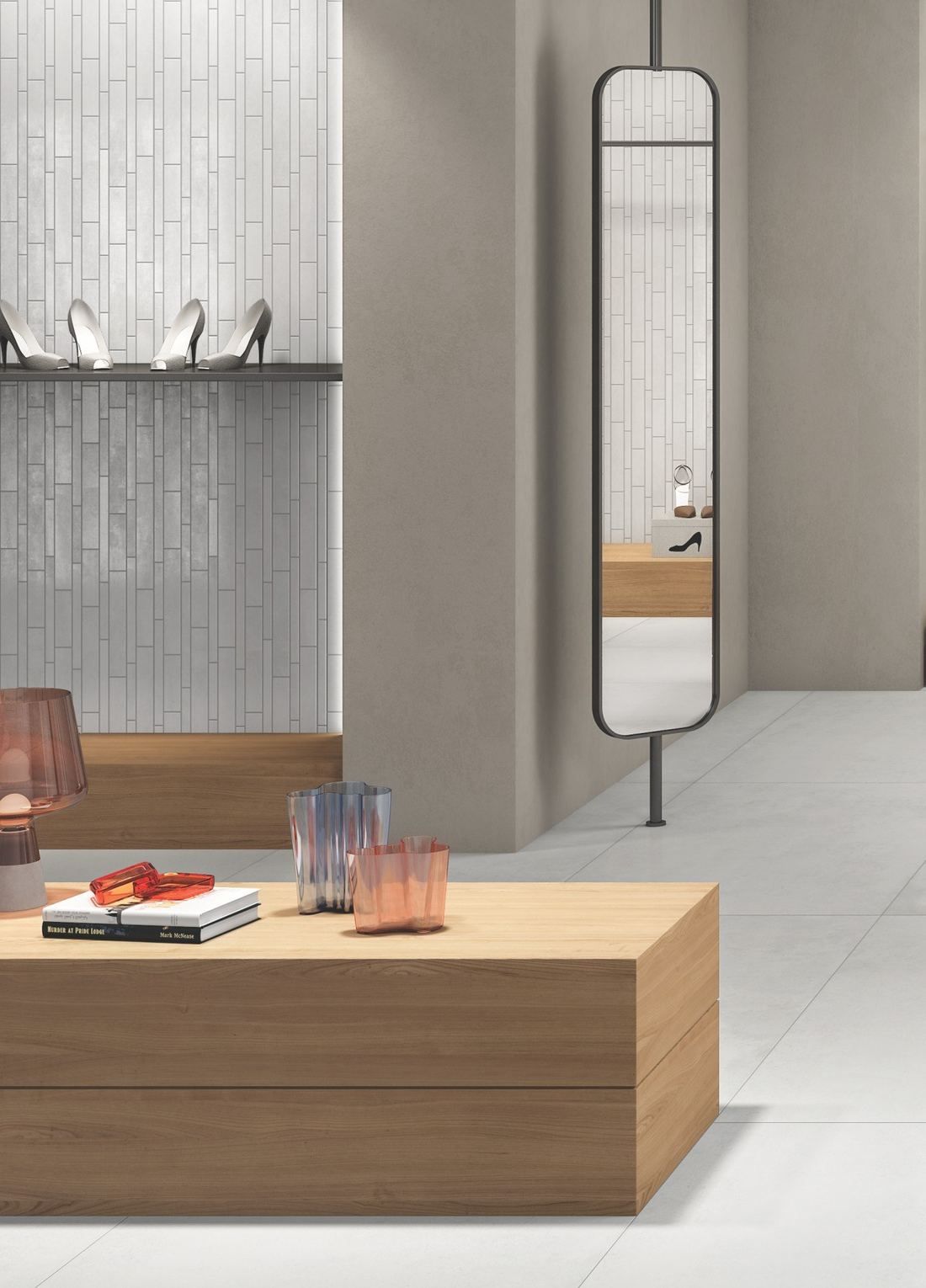
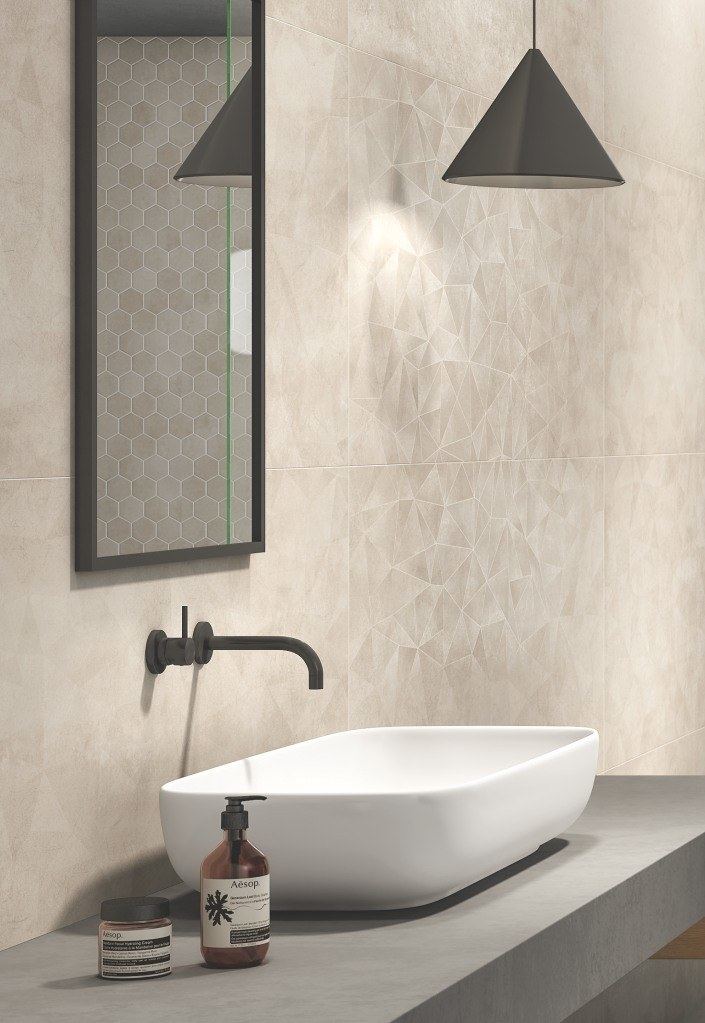
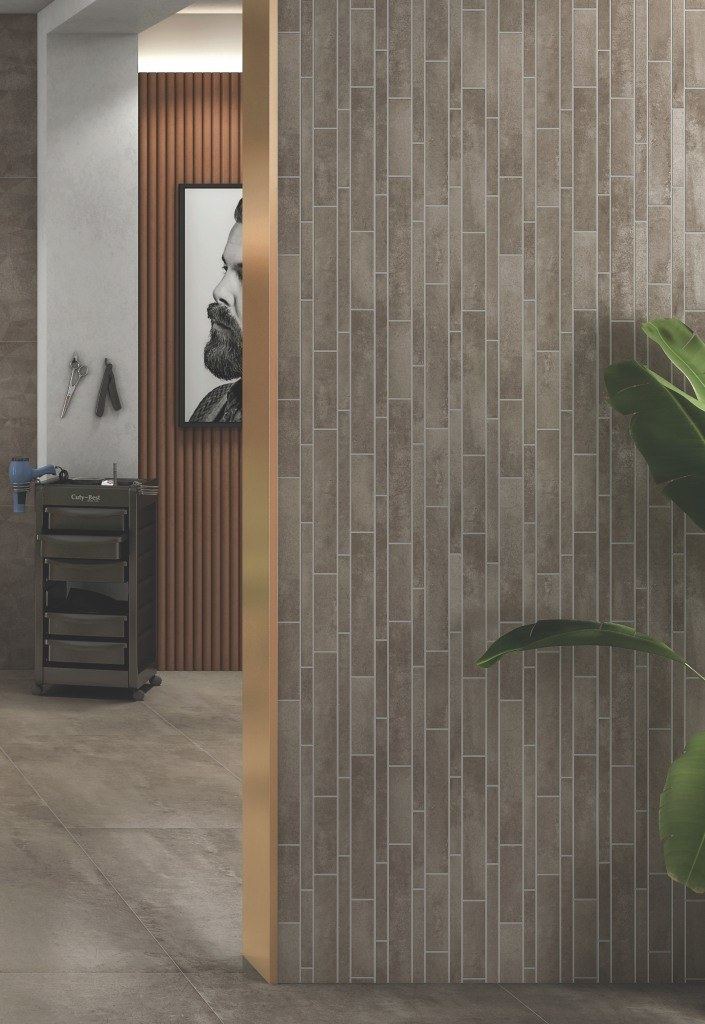
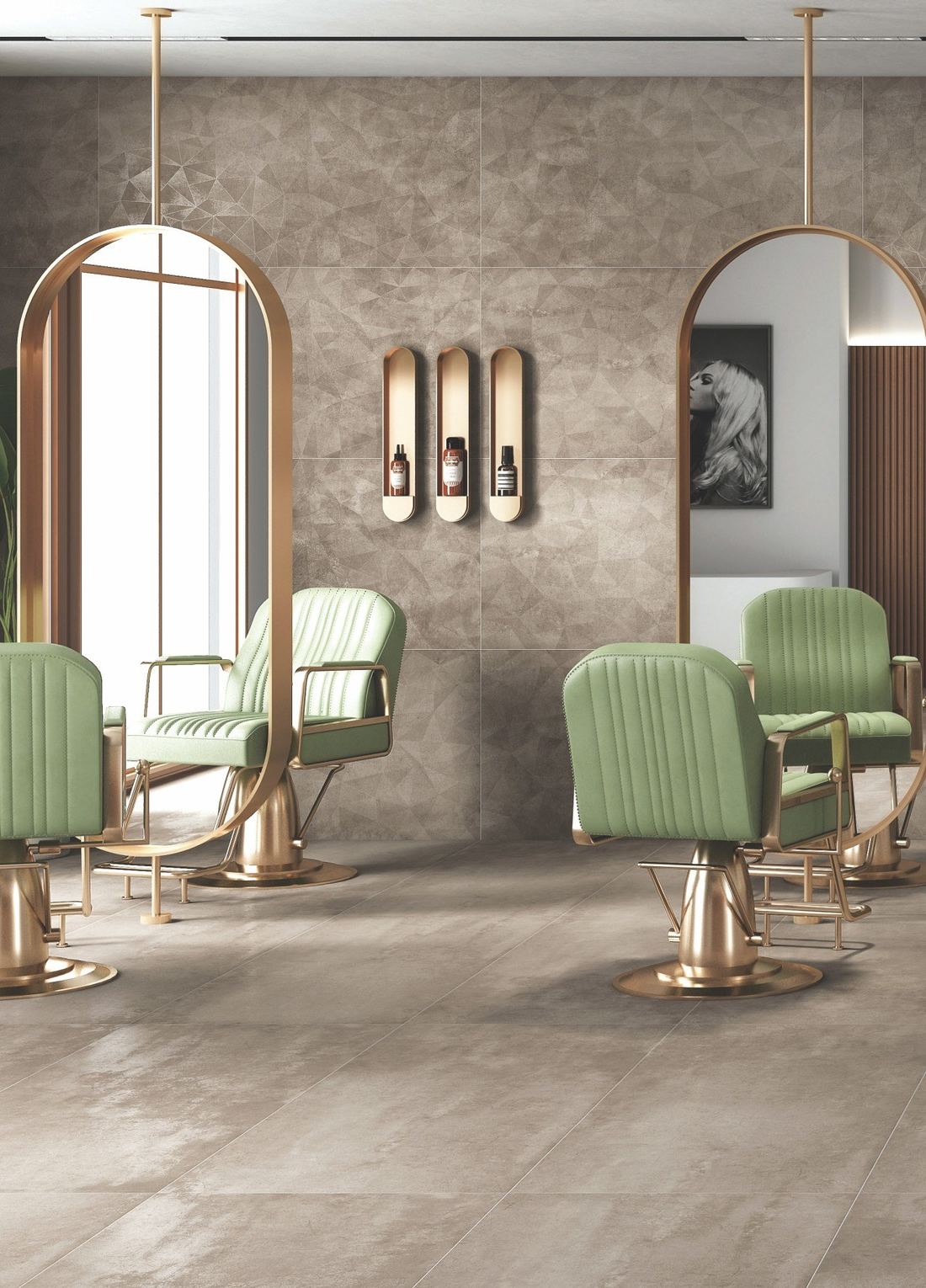
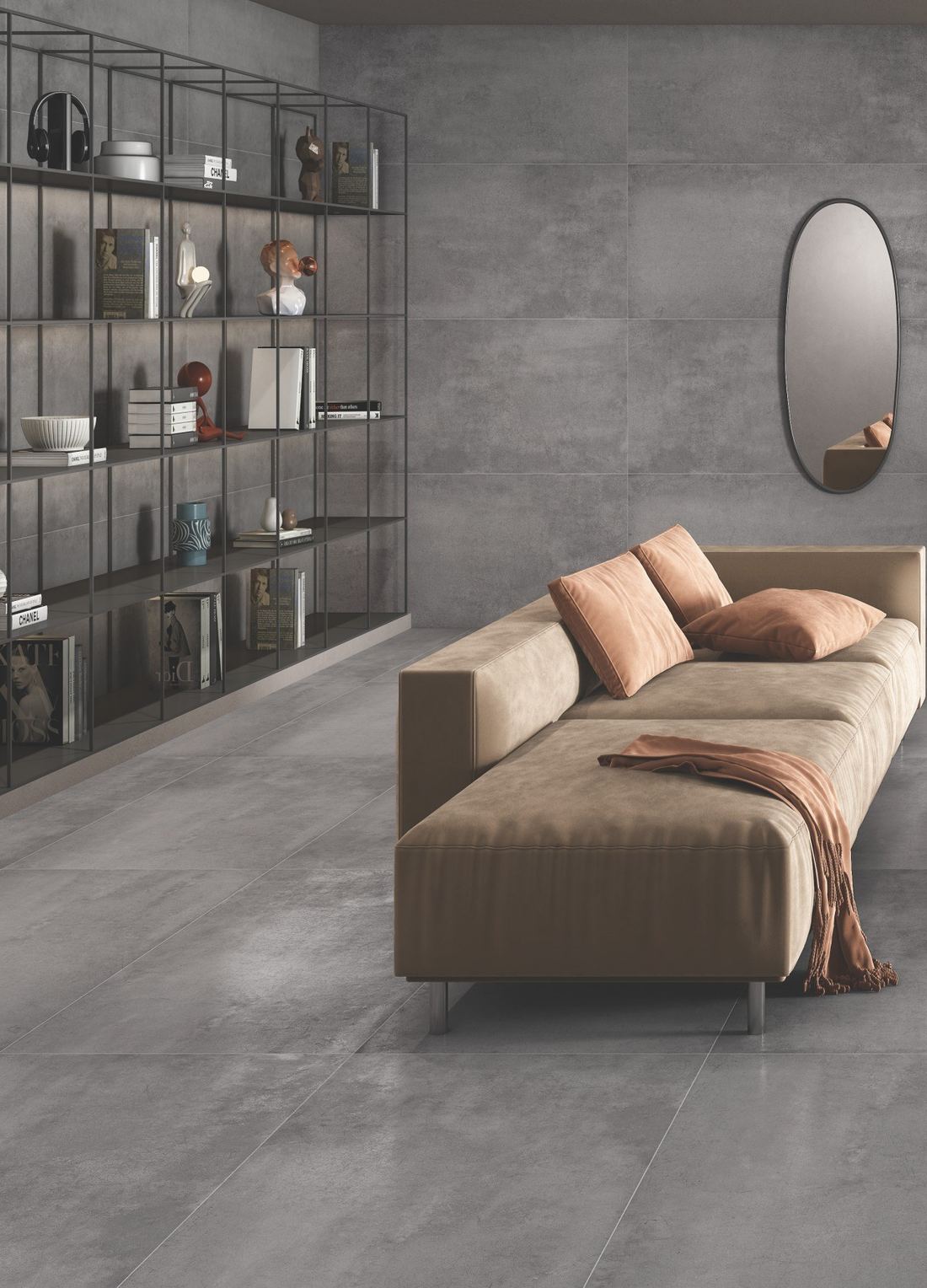
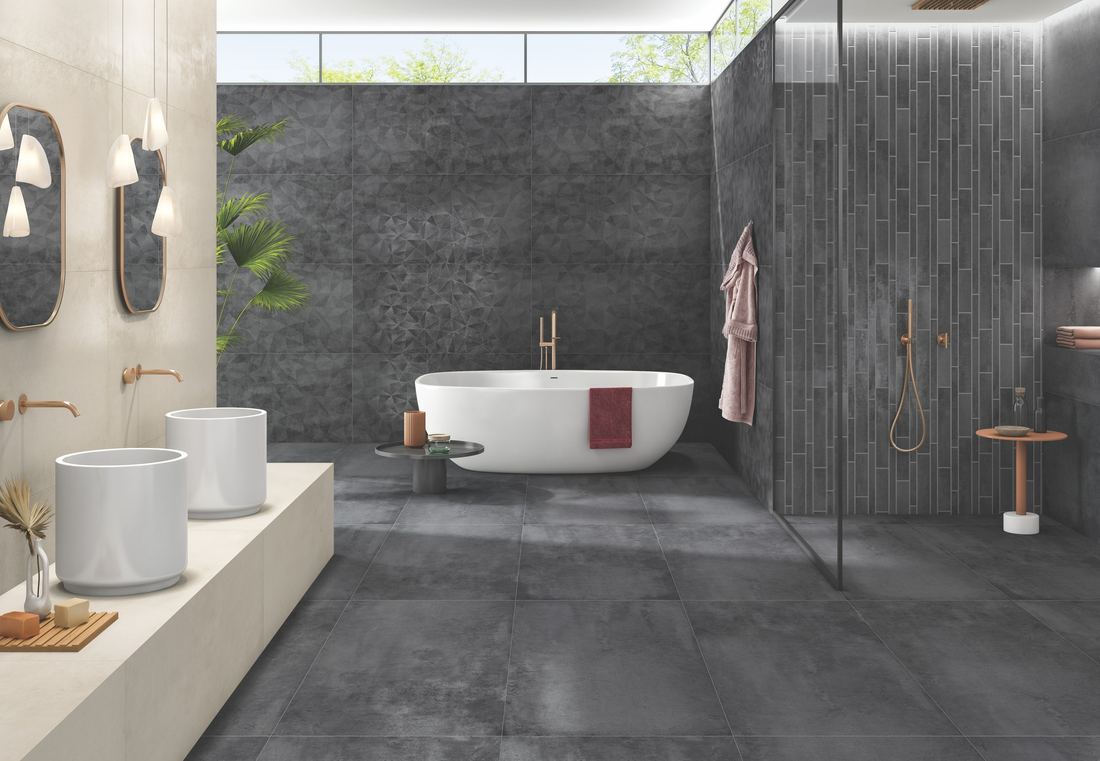
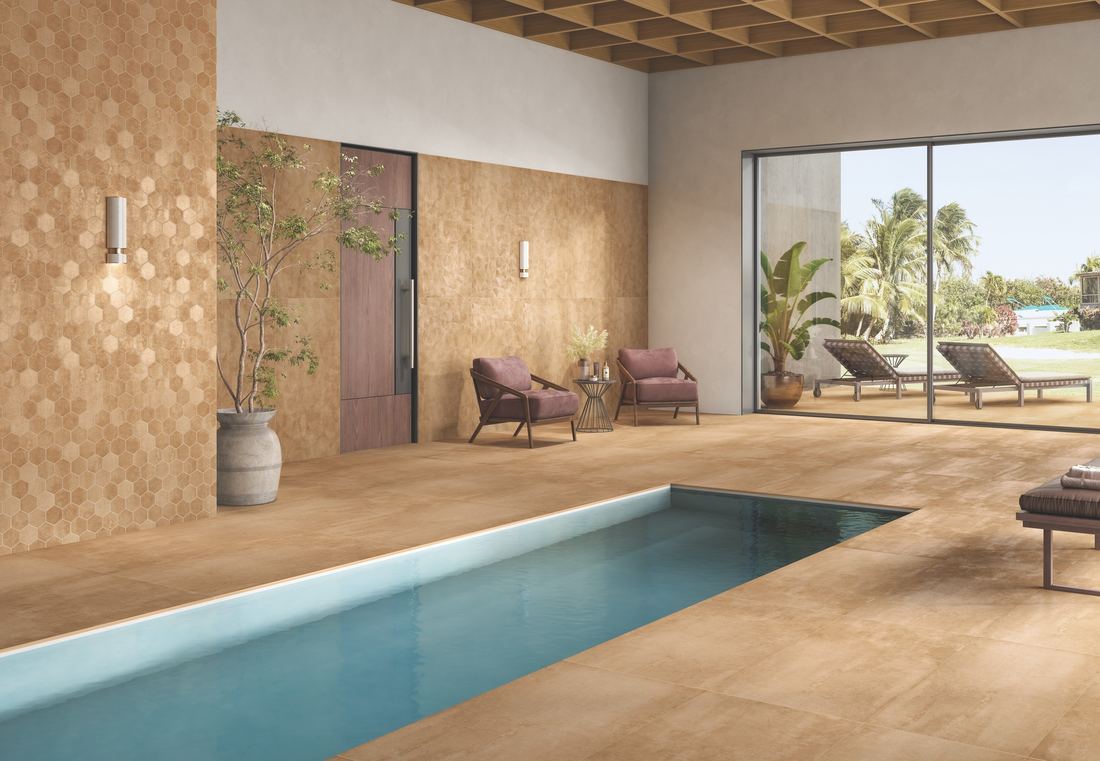
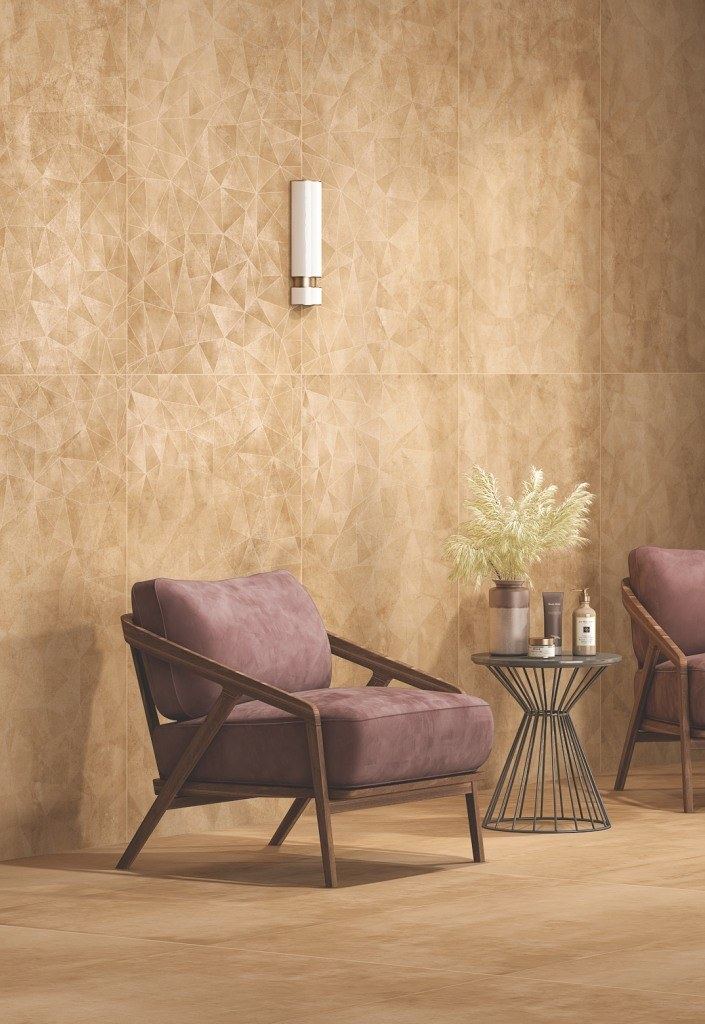

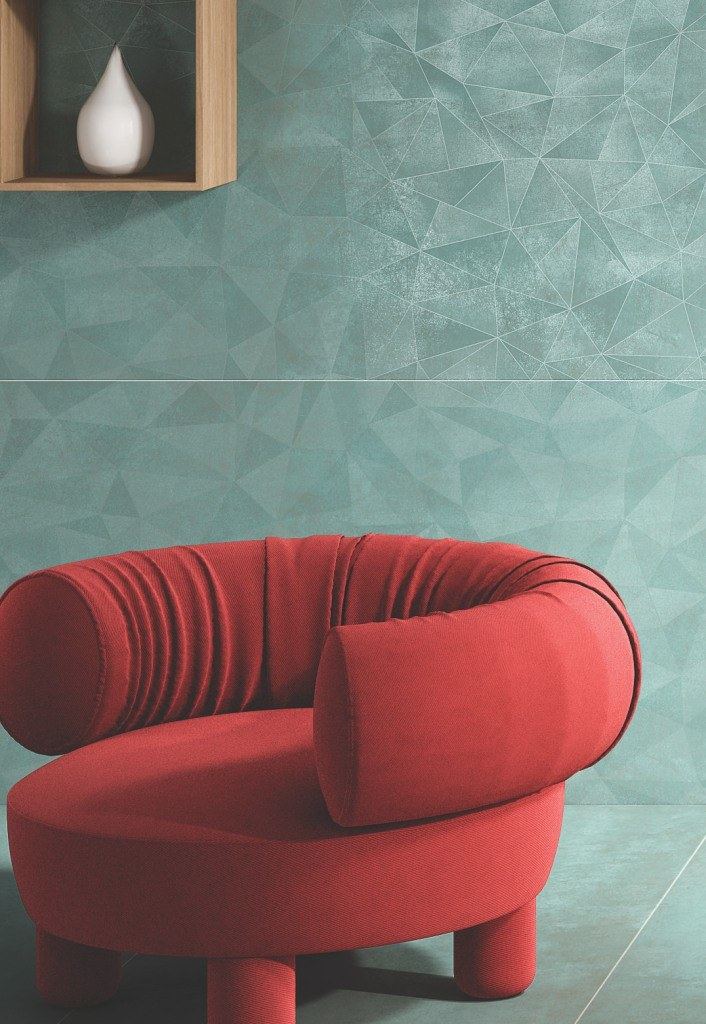
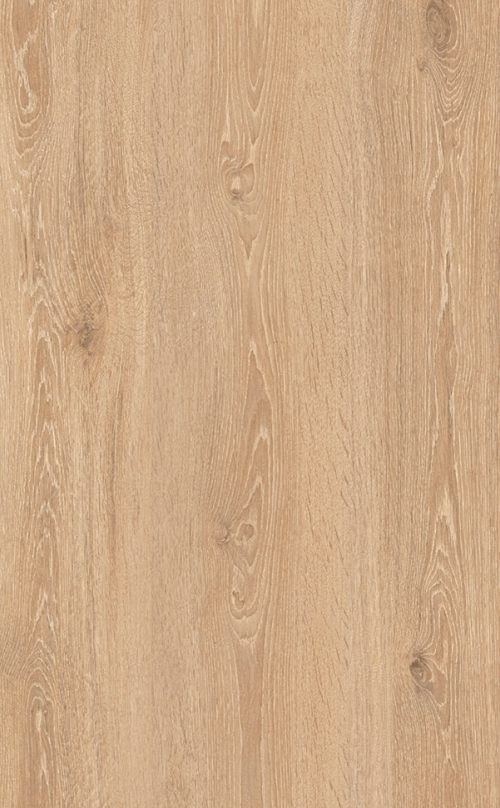
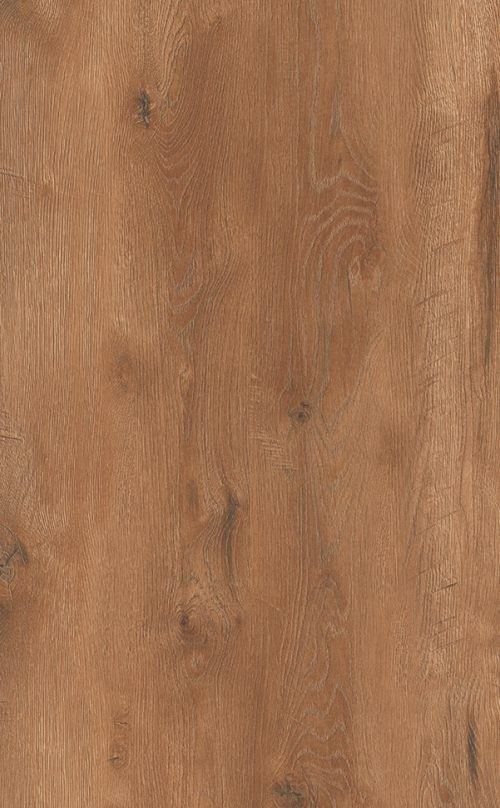
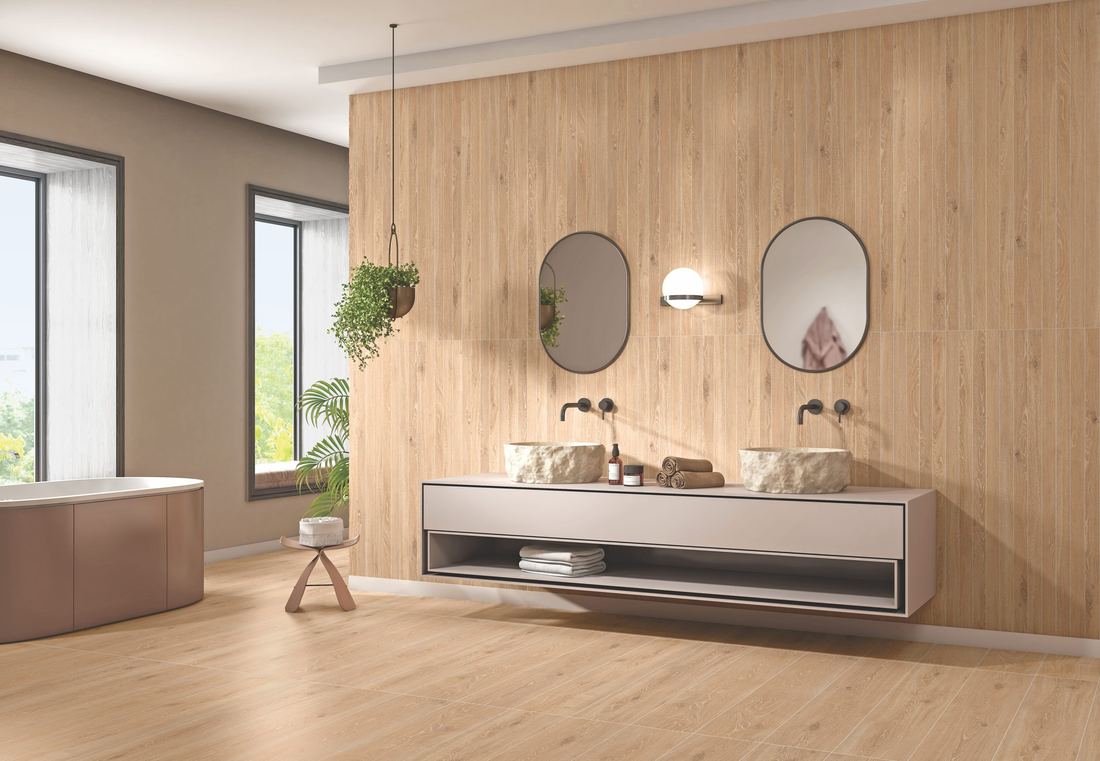
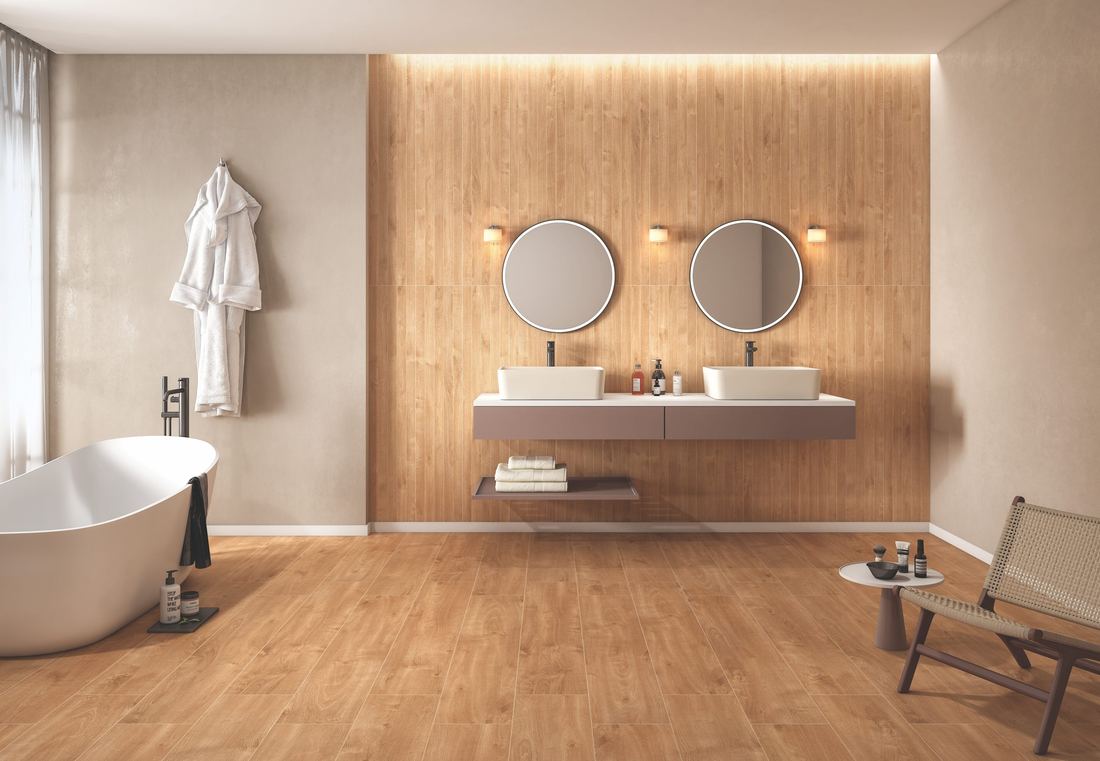
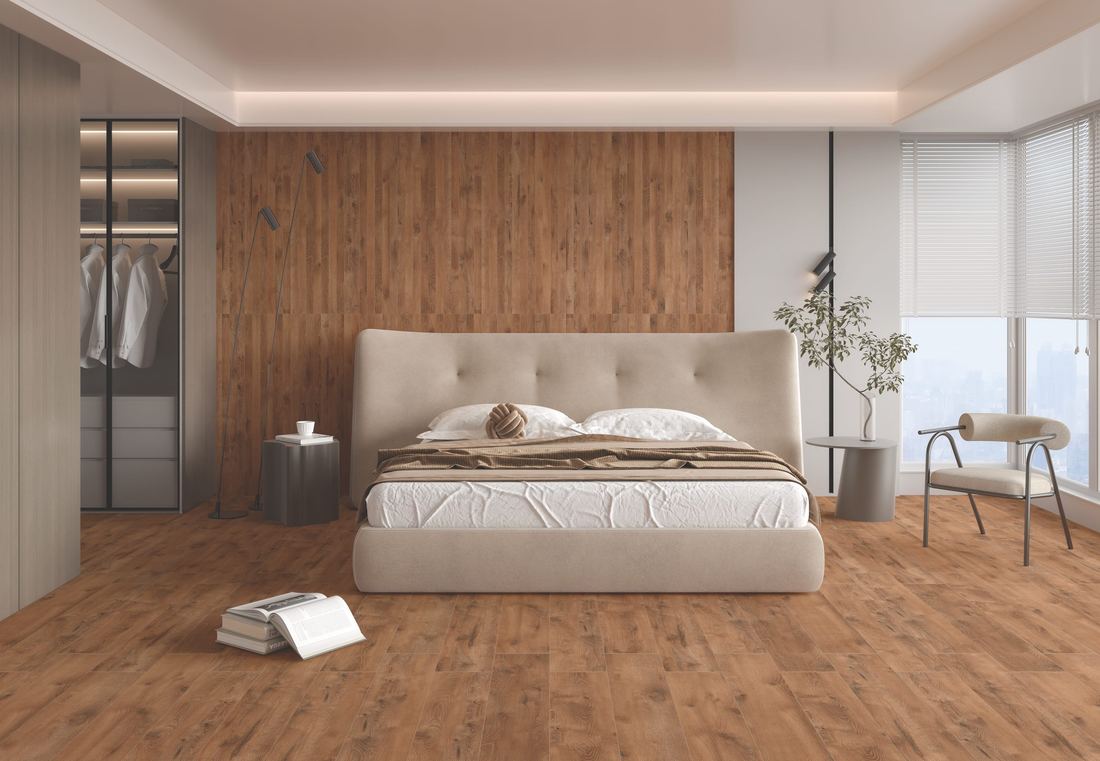
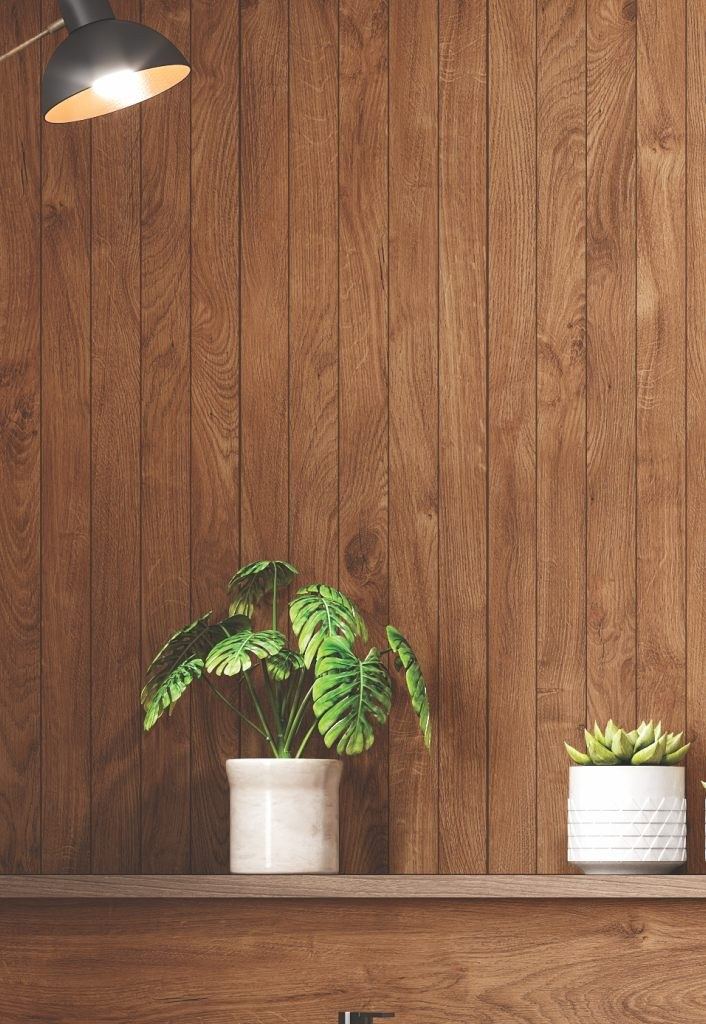
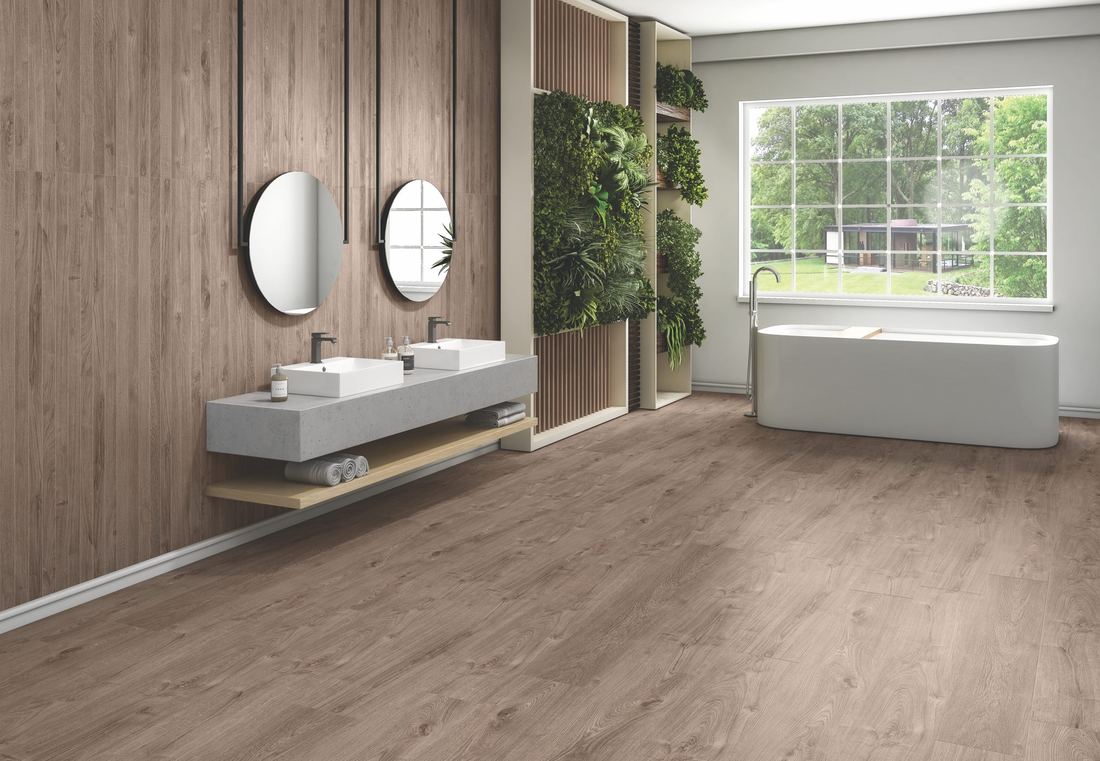
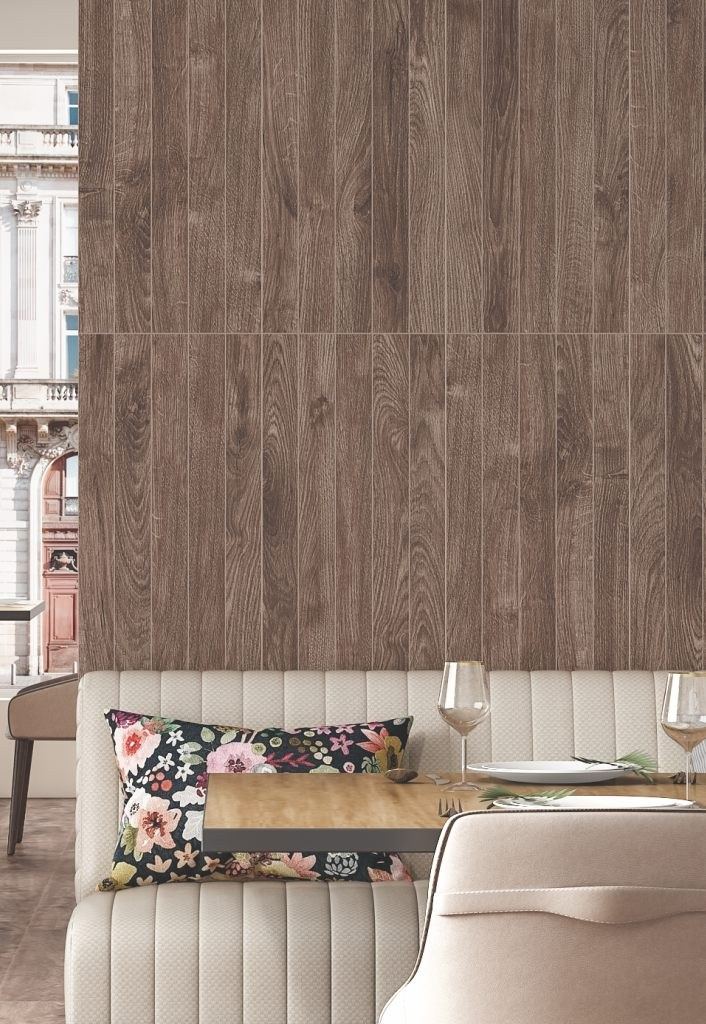
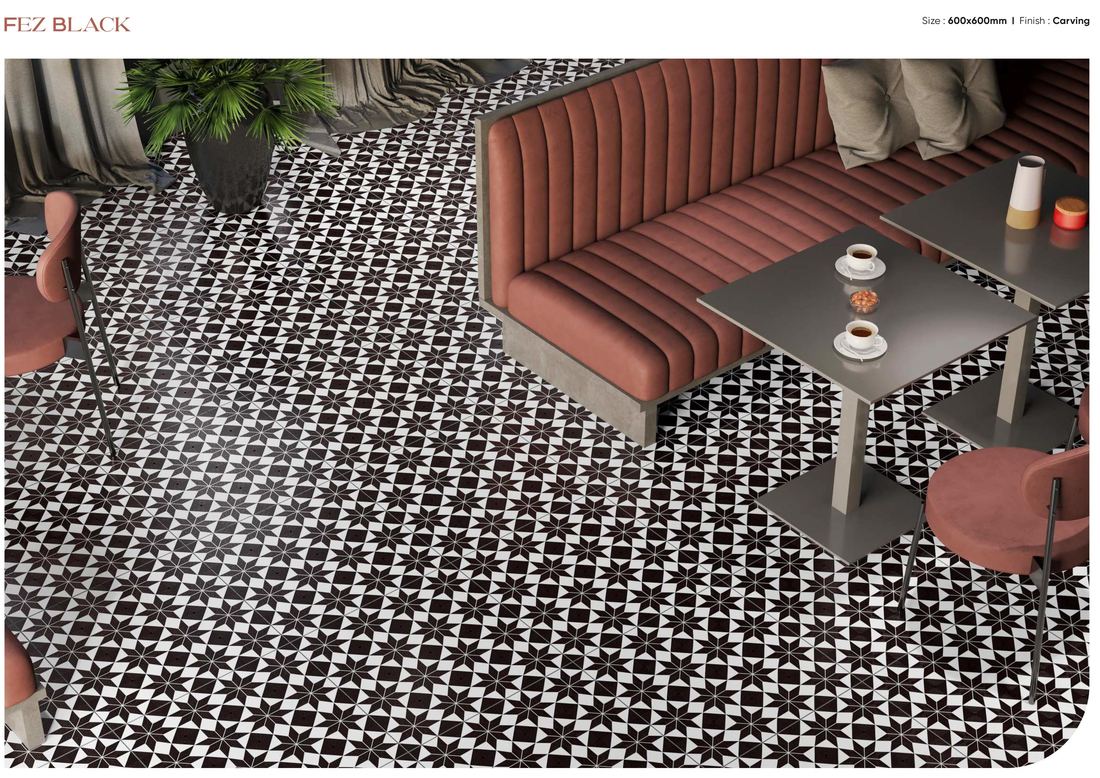
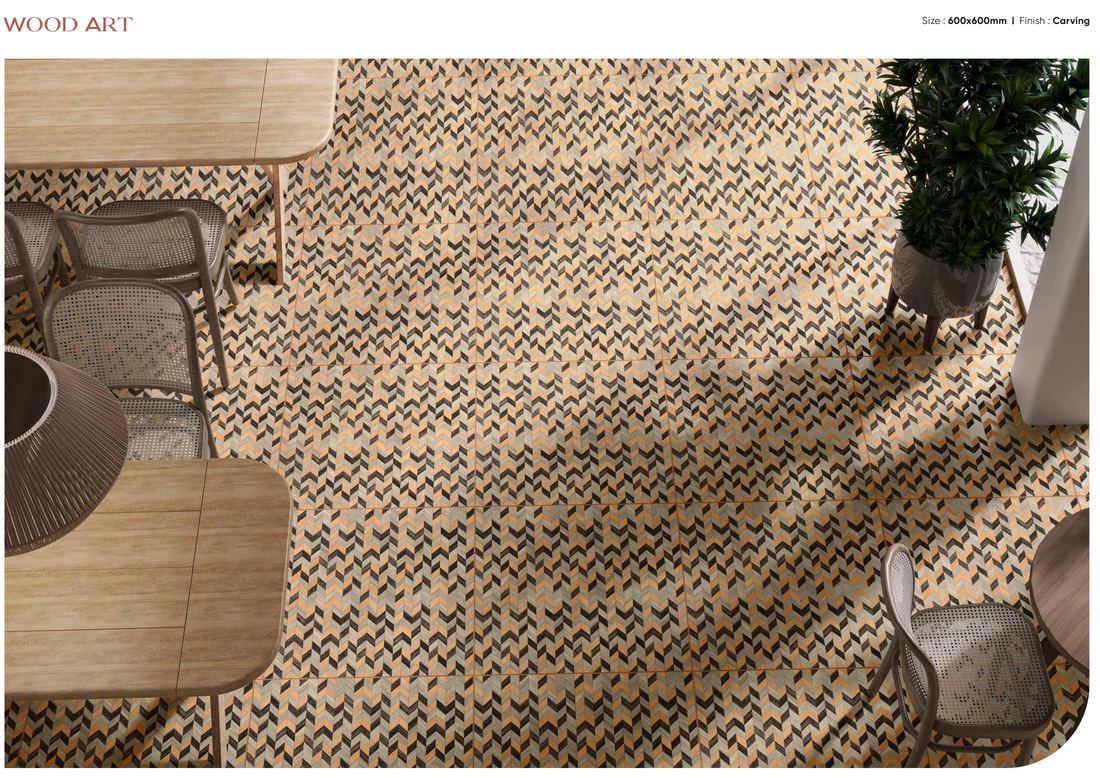
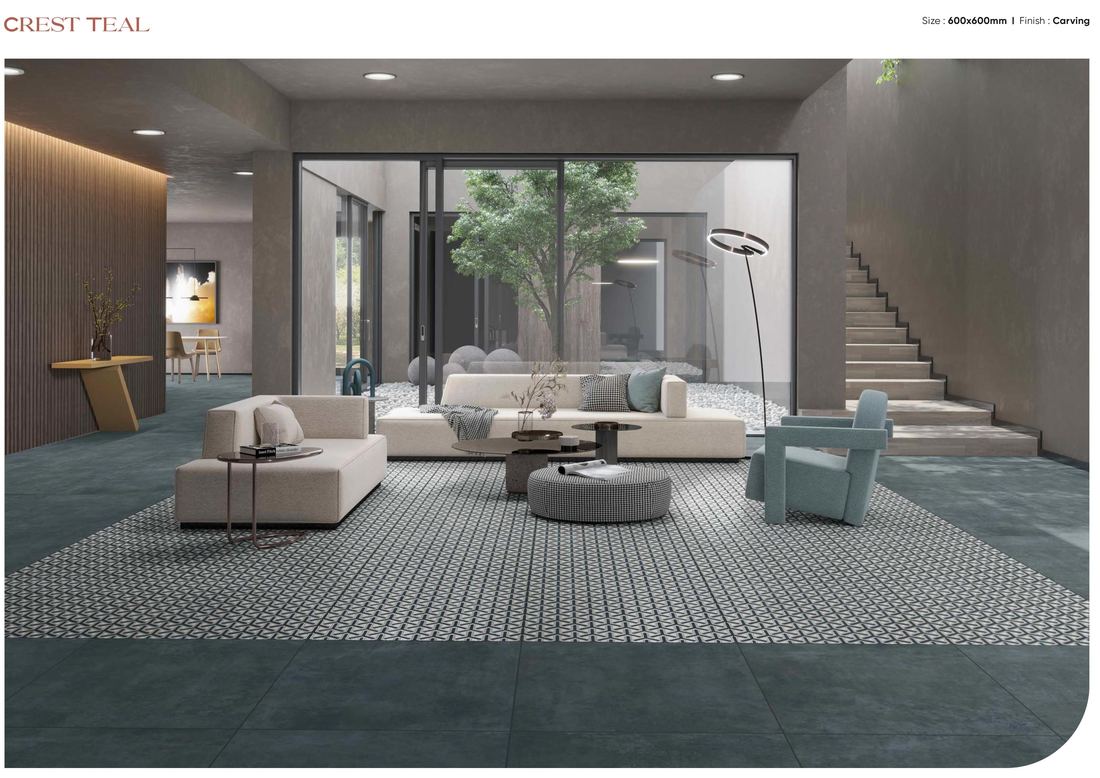
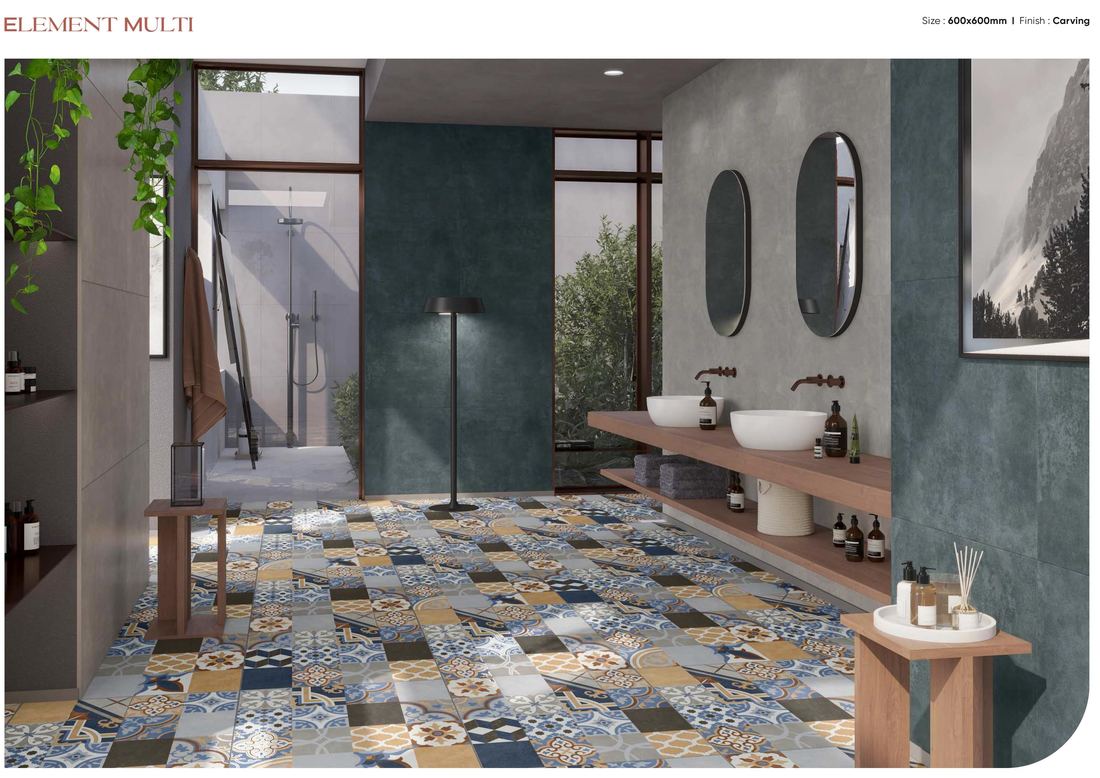
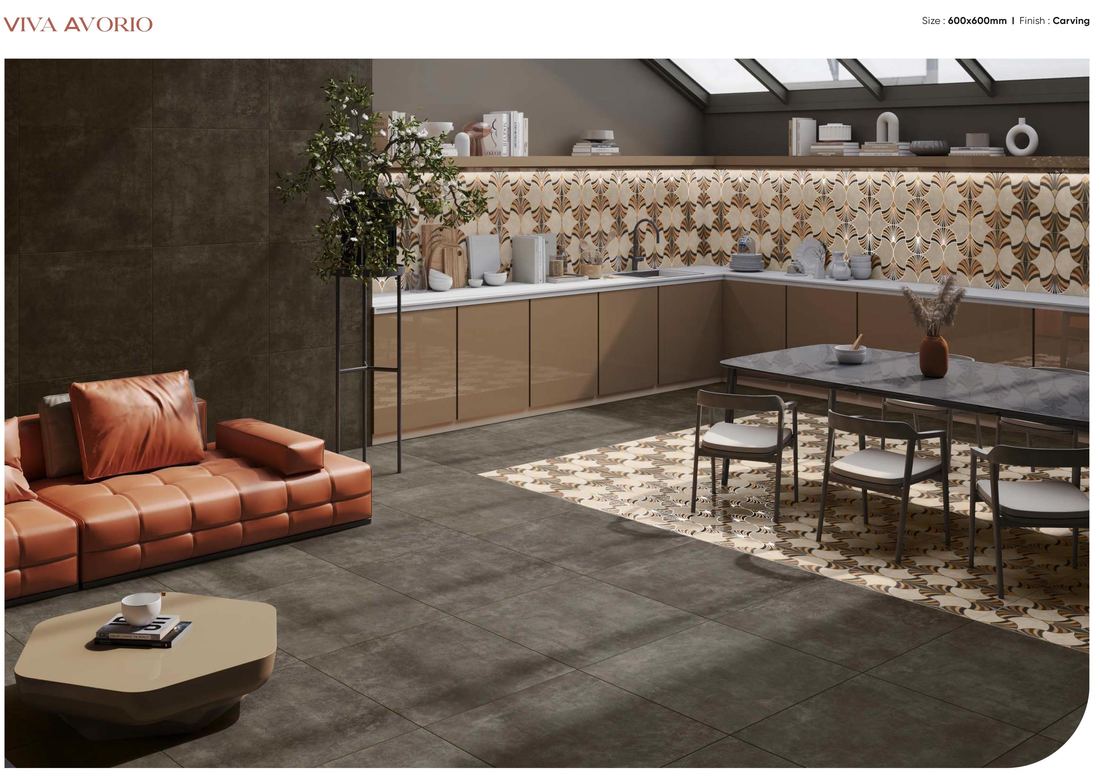
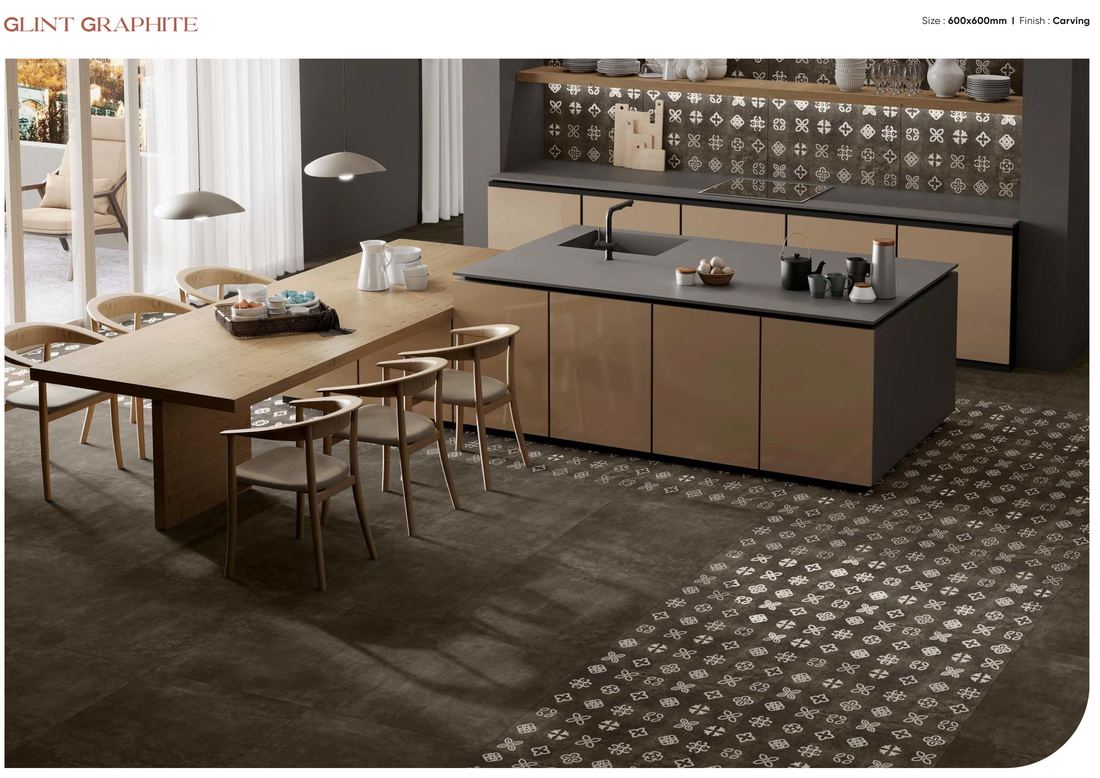
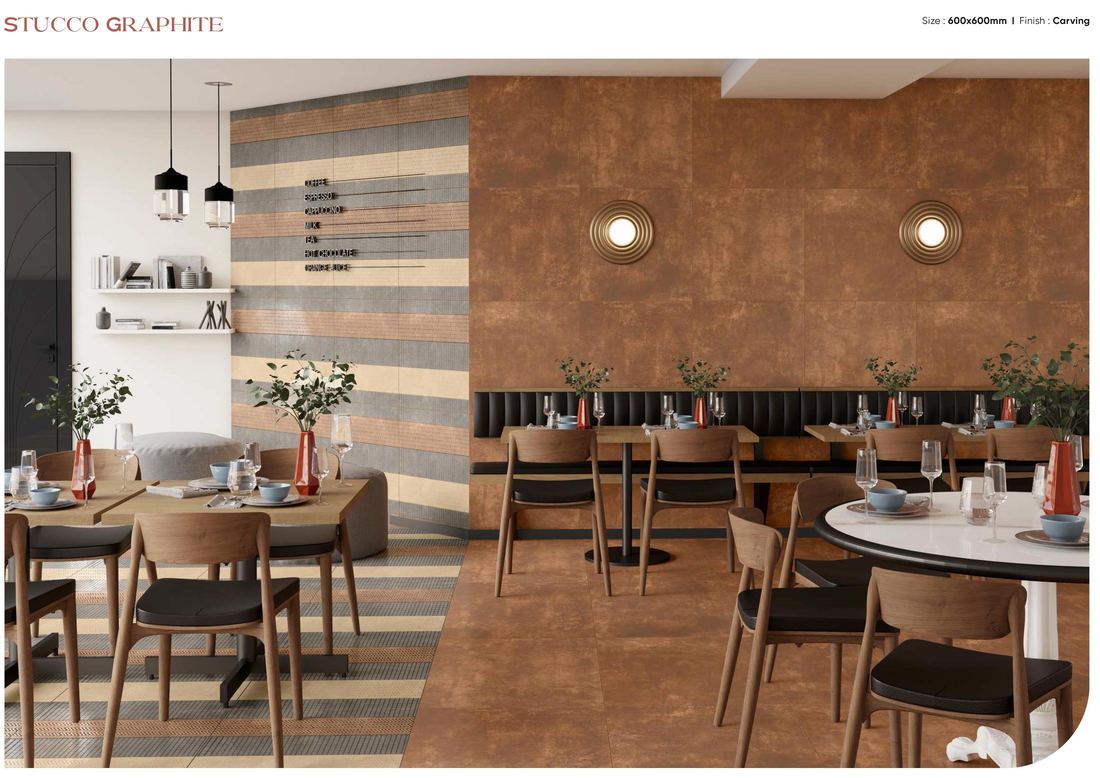
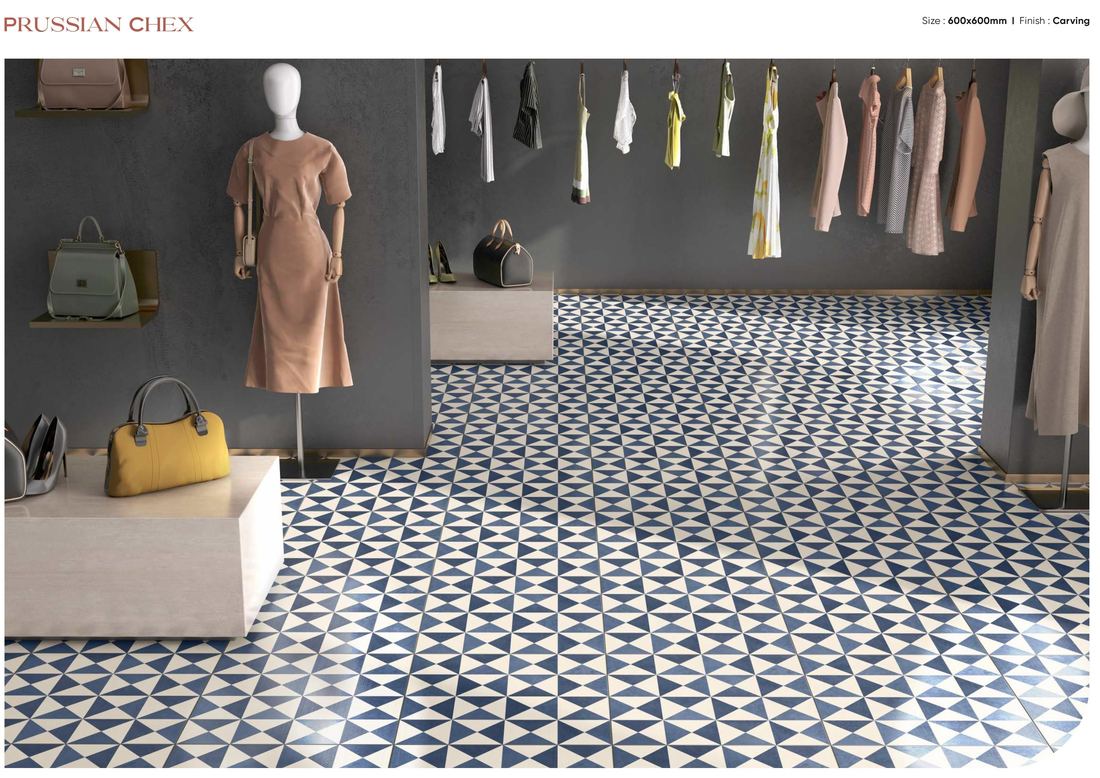
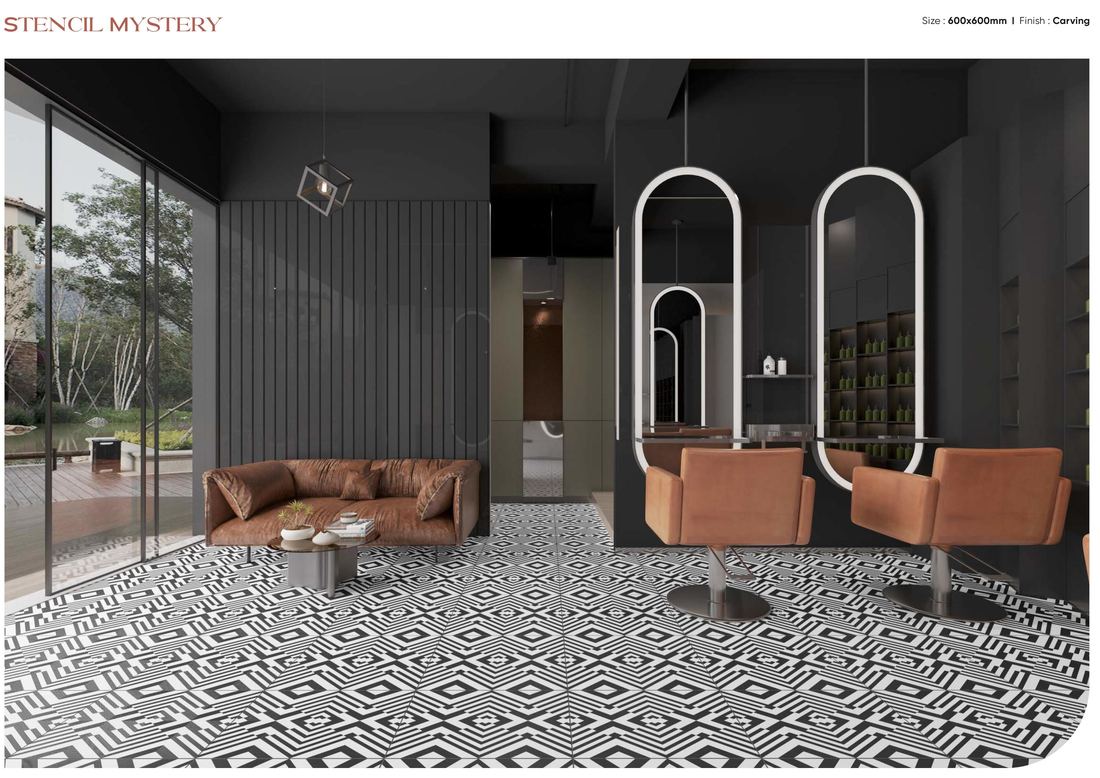
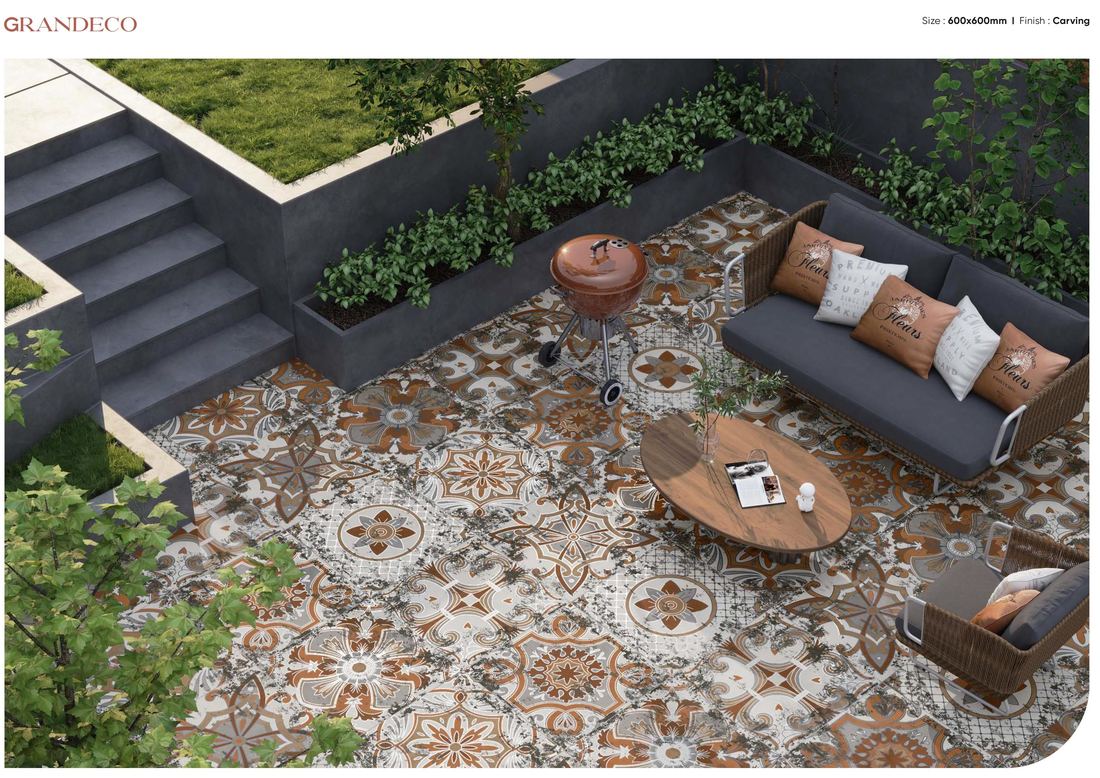
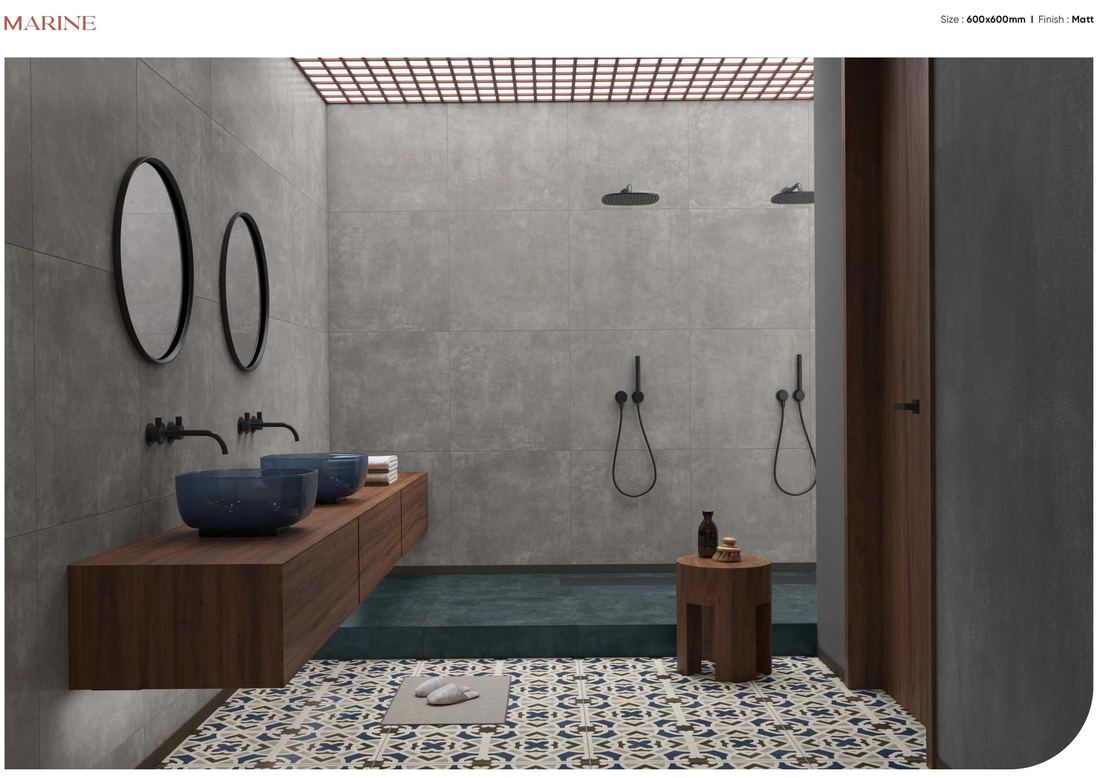
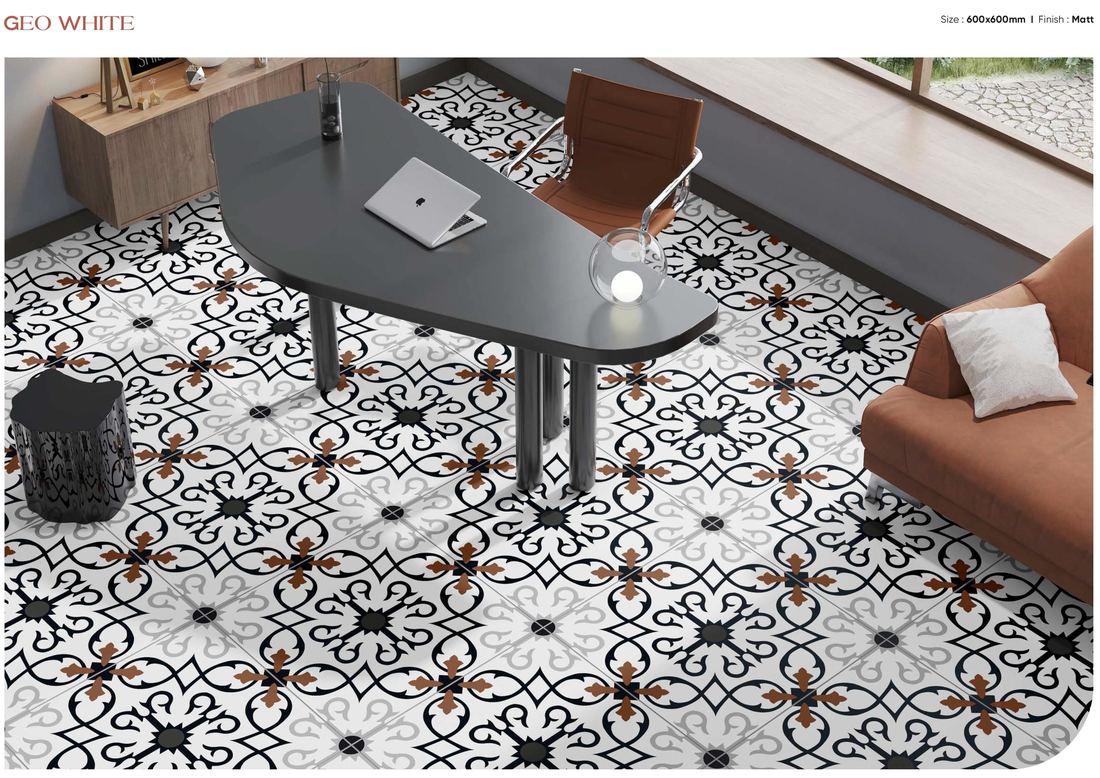
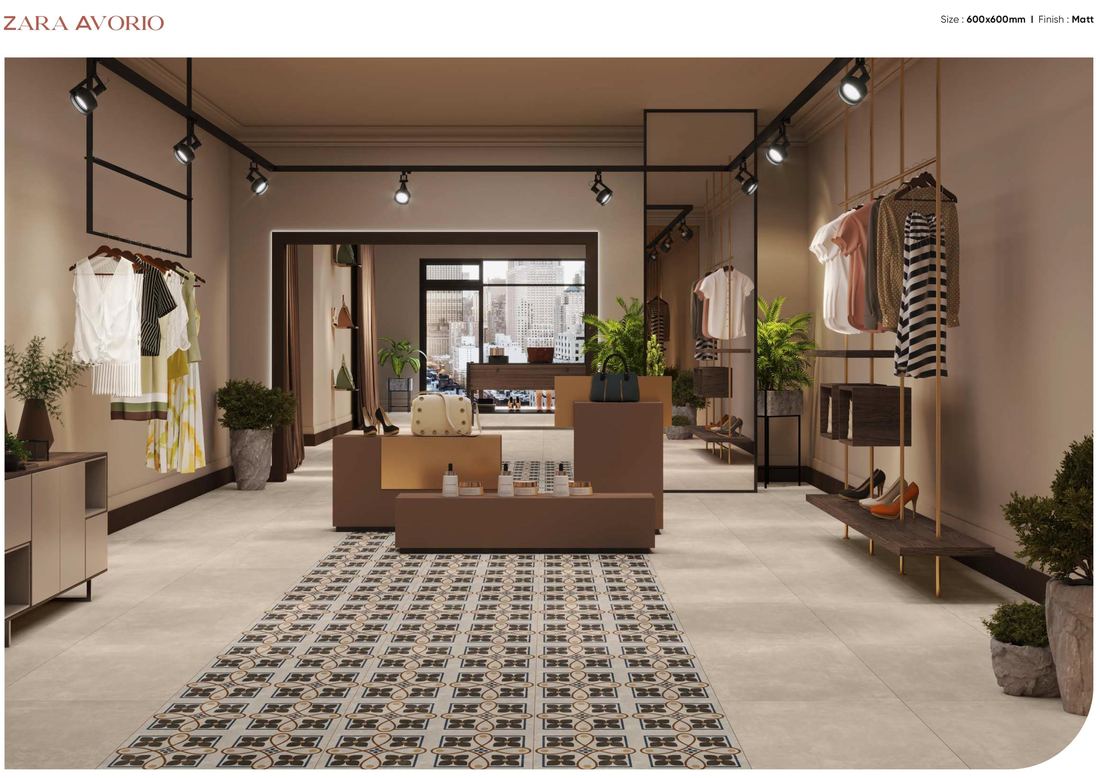
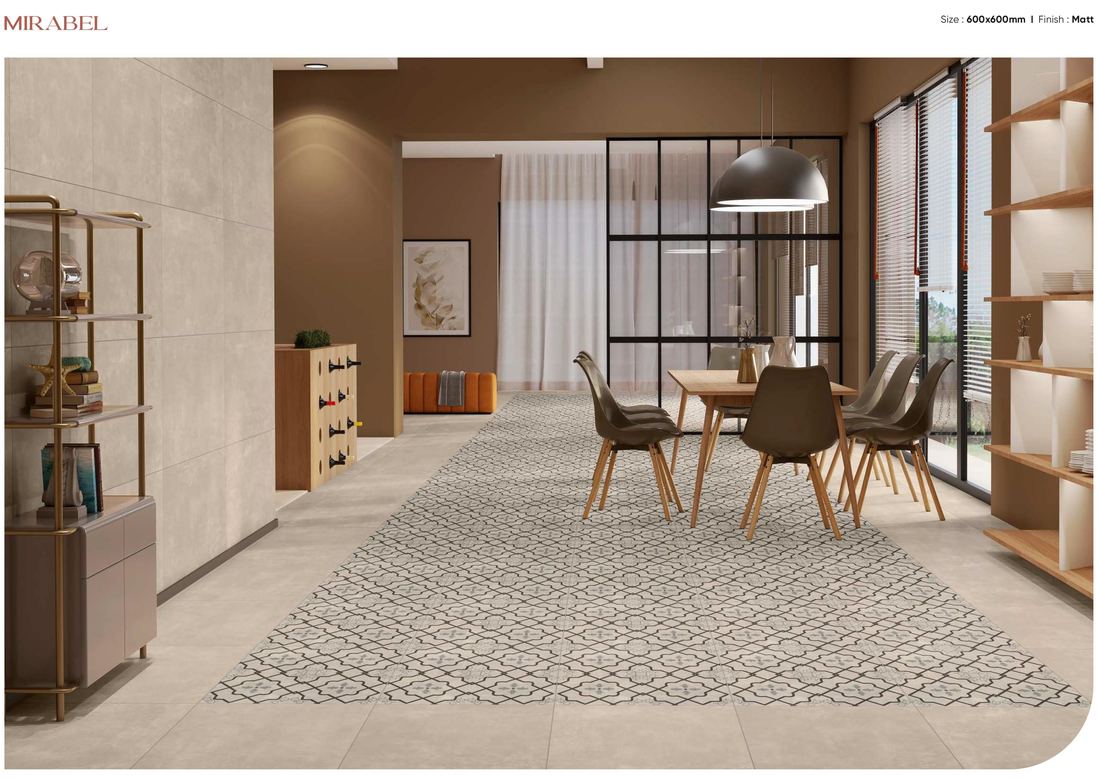
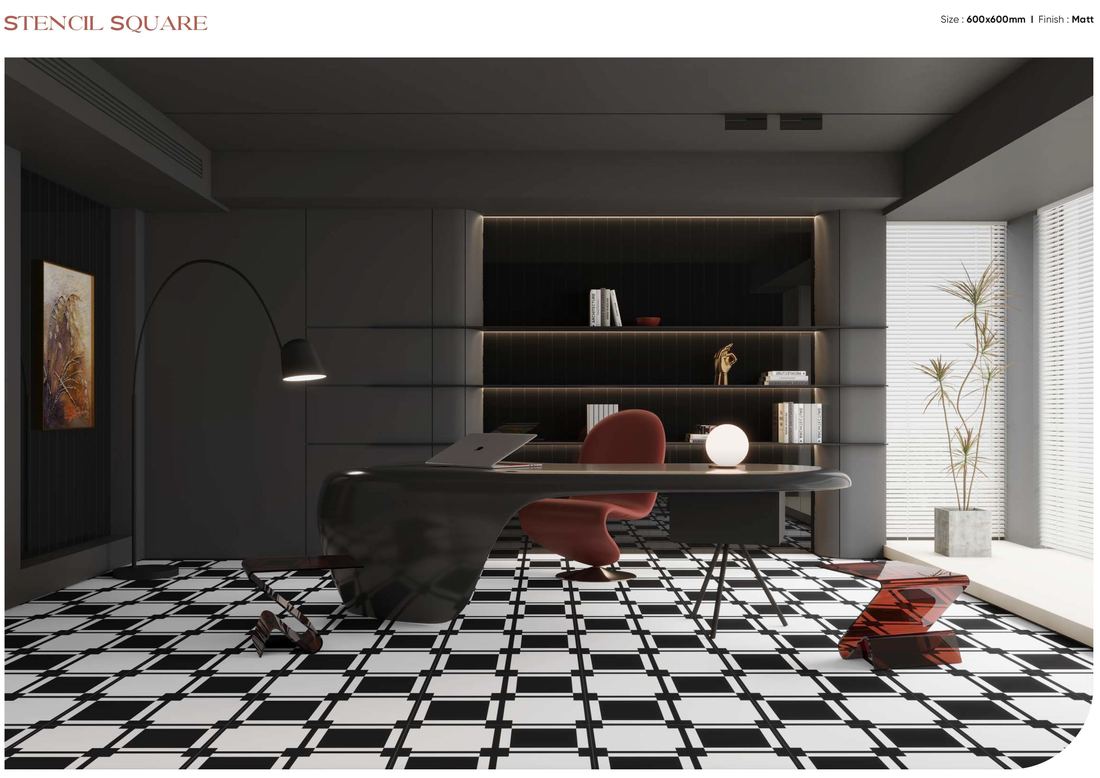
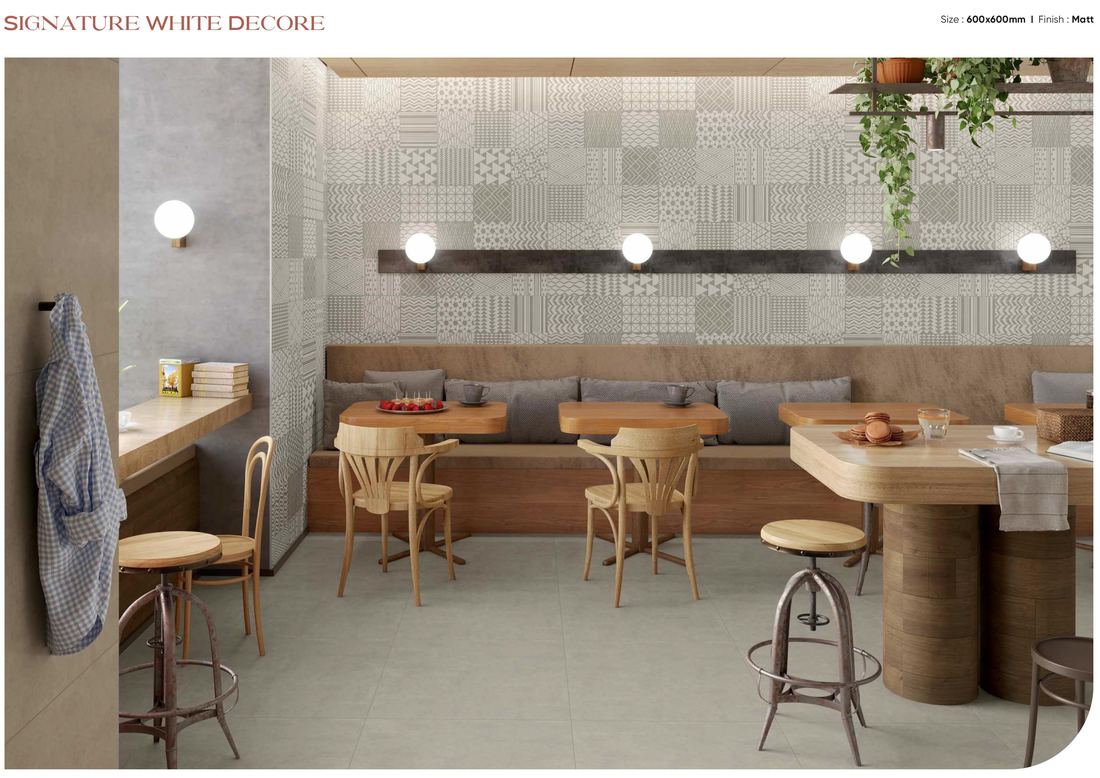
Large-format porcelain slabs can be seen at the Imperial Design Concepts studio at Plot No. 729, Industrial Area JLPL, Sector 82, Mohali — about twenty minutes from central Chandigarh and close to Zirakpur, Kharar and New Chandigarh. Slabs up to 1200x2400 mm and larger are displayed upright and at full scale, because a 60x60 sample tells you very little about how a 1200x2400 surface will read across a real wall. The studio is open Monday to Saturday, 10:00 am to 7:00 pm, and Sunday by appointment.
Both are fired ceramic bodies with very low water absorption, so the difference is mostly one of format and finish. Vitrified tiles are typically supplied in modular sizes such as 600x600, 800x800 or 600x1200 mm and are the practical workhorse for most Indian homes. Large-format porcelain slabs run to 1200x2400, 1600x3200 mm and beyond, which lets a floor or a feature wall be laid with very few joints. Fewer joints means fewer grout lines to age, discolour or interrupt a veined pattern — which is why slabs are usually chosen where the surface itself is meant to be the design.
For most living and dining rooms in Mohali and Chandigarh, 800x800 mm or 600x1200 mm strikes the right balance: large enough to keep grout lines sparse, small enough to handle, cut and lay without specialised equipment or a highly skilled crew. Rooms above roughly 400 square feet carry 1200x1200 mm and larger formats comfortably. Very large slabs are best specified when the site team has handled them before, since the installation method, substrate flatness and adhesive all change with format.
Yes. Bathroom floors, balconies, terraces, driveways and pool surrounds all call for a textured or structured surface rather than a polished one. The practical measure is the slip-resistance rating — an R10 surface suits an indoor bathroom floor, while R11 and above is appropriate for open terraces, ramps and parking areas exposed to rain. We match the rating to the actual application rather than applying one finish across the whole project.
Yes — that is what the Velora framework exists for. Velora Select covers practical, value-conscious residential work such as builder floors, where availability, repeatability across units and honest performance matter most. Velora Elite covers premium residences. Velora Forte covers bespoke architectural projects with imported and statement collections. The selection process is the same in all three; the shortlist is what changes.
As a working rule, add about 5 to 8 percent for straight-laid modular tiles, 10 to 12 percent for diagonal or patterned layouts, and slightly more for large-format slabs where a single cutting error is costly. It is also worth keeping a small reserve from the same production batch after the project is complete, because shade and calibration vary between batches and an exact match a year later is rarely possible. We work these numbers out against your actual area statement before the order is placed.
Further reading: The Tile Size Guide for Indian Homes and Large-Format Tiles and Slabs, Explained — how size and format decide whether a tile works in your actual rooms. Then How Much Extra Tile to Order, Grout and Joints: What to Specify and Slip Resistance in Tiles, Explained. More in the IDC guides library.
Bring your drawings, or simply your rooms and their light. We will prepare a shortlist that fits the project rather than the catalogue.
Schedule a Studio Visit